
The PM‑KUSUM 2.0 launch expands decentralized solar access for Indian farmers. It aims to empower farmers as key energy players in local communities. The initiative supports irrigation and rural electrification across the country.
Read the full storyGulf Oil Lubricants India receives a Crisil ESG rating of 63, classified as Strong. The rating reflects the company's performance across environmental, social, and governance criteria. This assessment informs investors and stakeholders about the firm's sustainability standing.
Read the full storyThe revised ESRS introduce new double materiality requirements for companies. They require firms to assess both financial and environmental impacts of their activities. This shift aims to align corporate reporting with broader sustainability goals.
Read the full storyThe article questions whether BRSR should extend beyond large companies. It examines the potential benefits and challenges of broader applicability. The discussion highlights regulatory implications for Indian firms.
Read the full story
The PM-DHARA scheme provides a clear plan addressing grid readiness, resilience, renewable intermittency, energy security, and flexibility.
Read the full storyHindustan Foods receives a Crisil ESG rating of 59 for FY26. The rating reflects the company's performance in environmental, social, and governance areas. This assessment informs investors and stakeholders about the firm's sustainability standing.
Read the full storyThe EU Carbon Border Adjustment Mechanism requires certain Indian exporters to pay for carbon emissions associated with their products. This measure aims to level the playing field for EU producers and curb carbon leakage. Indian exporters must now account for emissions in their supply chains to comply with EU regulations.
Read the full story
Larsen & Toubro is negotiating equity participation with Japan’s Itochu Corporation in its clean energy subsidiary, including a green ammonia offtake partnership.
Read the full storyThe EU Carbon Border Adjustment Mechanism can support India’s export competitiveness by encouraging greener production. It offers a framework for Indian exporters to align with EU climate standards, potentially opening new markets and reducing carbon costs. The mechanism encourages investment in low‑carbon technologies and enhances India’s global trade position.
Read the full storyIndia’s carbon market transitions from planning to active implementation. The initiative focuses on establishing a functional trading platform and regulatory framework to support carbon credit issuance and trading. This move aims to align India’s emissions reduction efforts with global carbon market mechanisms.
Read the full storyThe ESRS are the European Sustainability Reporting Standards that provide detailed guidance for companies on disclosing environmental, social, and governance information. They aim to standardize sustainability reporting across the EU, ensuring transparency and comparability for investors and stakeholders. The standards are part of the broader EU sustainability reporting framework under the Corporate Sustainability Reporting Directive.
Read the full story
India plans to double coking coal output by 2030 to support steel production. The government must integrate methane monitoring and abatement into early planning to avoid locking in higher emissions. This move highlights the need for robust methane management in India's coal sector.
Read the full story
GRI plans to launch a new sustainability reporting standard specifically for food and beverage companies. The initiative expands GRI’s sector standards to provide tailored guidance for companies in this industry. This development offers a more focused framework for ESG disclosures in the food and beverage sector.
Read the full story
ISO’s proposed net zero standard, ISO 14040, fails its initial vote after receiving record feedback. The standard, aimed at guiding organizations toward net-zero emissions, was rejected by the voting body. The outcome highlights challenges in achieving consensus on global net-zero reporting frameworks.
Read the full storySwan Corp receives a FY26 ESG rating from CRISIL, reflecting its sustainability performance as a listed company.
Read the full storyESRS-TC and UK SRS guide companies through evolving sustainability reporting standards. The article discusses adaptation strategies for firms facing new regulatory frameworks.
Read the full storyIndia’s carbon market is tested by the EU’s CBAM, impacting exporters. The mechanism imposes border adjustments on carbon-intensive goods, prompting Indian firms to align emissions data with EU standards. Compliance will shape future trade and carbon accounting practices.
Read the full storyIndia seeks to retain domestic carbon revenue while Europe introduces a new trade cost. The move reflects concerns over the EU Carbon Border Adjustment Mechanism’s impact on Indian exporters. India aims to balance domestic carbon pricing with international competitiveness.
Read the full storyJubilant Ingrevia submits its FY26 BRSR filing, including all SEBI‑mandated disclosures.
Read the full storyIndia seeks to retain domestic carbon revenue while the EU introduces a new trade cost. The move highlights concerns over the EU Carbon Border Adjustment Mechanism’s impact on Indian exporters. The policy aims to balance domestic carbon pricing with international trade competitiveness.
Read the full story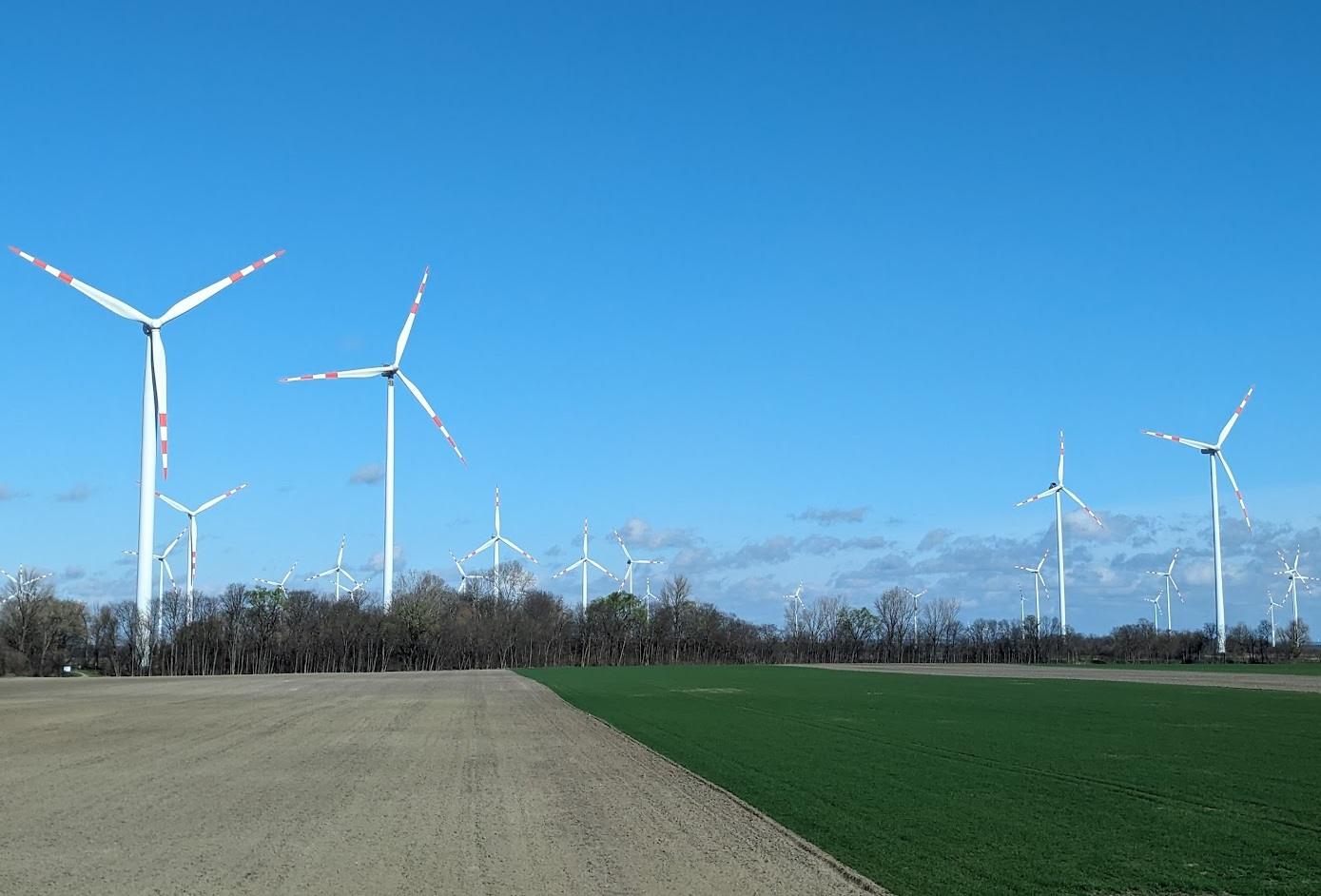
EU publishes final revised sustainability reporting standards, updating the framework for corporate disclosures. The changes aim to enhance comparability and transparency across sectors. The revisions are expected to influence global reporting practices and align with emerging ESG standards.
Read the full storyTata Capital files its FY26 BRSR report, including SGS assurance. The filing also discloses a ₹46.4 lakh settlement with SEBI. The report follows SEBI’s BRSR disclosure requirements for listed companies.
Read the full storyIndia reserves third‑party rights in the Russia‑EU CBAM trade dispute at the WTO, allowing other parties to participate in the case.
Read the full storyIndia reserves third‑party rights in the Russia‑EU CBAM dispute at the WTO. The move allows India to participate in the proceedings and potentially influence outcomes that could affect Indian exporters. It reflects India’s interest in the EU’s carbon border adjustment mechanism and its impact on trade.
Read the full storyIndia amends its GHG target, revising refinery emission benchmarks under the CCTS. The amendment updates the baseline and compliance thresholds for refinery operators. It aims to align domestic emission standards with the national carbon market framework.
Read the full storyA workshop by the Institute for Energy Economics and Financial Analysis explores modelling insights and design choices for a credible Indian carbon market. The session focuses on technical and policy considerations to strengthen the national carbon trading framework. It aims to inform stakeholders on best practices for market design and implementation.
Read the full storyIndia and France reaffirm their commitment to cooperate on power sector development, strengthening bilateral collaboration in renewable energy and grid infrastructure.
Read the full storyThe revised ESRS introduce updated standards for sustainability reporting. They aim to enhance transparency and comparability across companies. The changes align with broader EU sustainability initiatives.
Read the full storyThe EU Carbon Border Adjustment Mechanism poses compliance challenges for Indian exporters. Indian firms must adapt to new carbon pricing and reporting requirements to remain competitive. This shift offers an opportunity to enhance sustainability practices and access green markets.
Read the full storyIndia’s carbon credit ecosystem reaches USD 405 billion following the CCTS rollout. The expansion reflects increased market participation and higher credit volumes. This development signals growing momentum for India’s carbon market and GEI target alignment.
Read the full storyShilpa Medicare receives a CRISIL ESG rating of 59. The rating reflects the company's performance on environmental, social, and governance criteria. This assessment provides a benchmark for investors and stakeholders evaluating the firm's sustainability practices.
Read the full storyShilpa Medicare receives a CRISIL ESG rating of 59. The rating reflects the company's environmental, social, and governance performance. This assessment is relevant for investors and regulators monitoring ESG disclosures under BRSR.
Read the full storyThe most-asked and least-answered question in Indian ESG consulting. There is no published fee benchmark, and this post does not pretend otherwise. Instead: what actually drives the price, how to build a defensible number from the bottom up, and the five pricing mistakes that cost independents the most money.
Read the full guideA question asked constantly in Indian sustainability circles and answered almost never, because the honest answer is uncomfortable: MCA has issued no clarification naming carbon credits. Here are the three tests any CSR spend must pass, where afforestation and renewables sit in Schedule VII, and why who owns the resulting credits decides the answer.
Read the full guideImporters of covered goods (iron & steel, aluminium, cement, fertiliser, hydrogen, electricity) must be authorised CBAM declarants and have embedded emissions third-party verified. Indian exporters of these goods to the EU are in scope.
Read the official sourceA five-minute step that a surprising number of Indian reporters miss, and one of the nine requirements for reporting in accordance with the GRI Standards. What Requirement 9 asks, exactly what to put in the email, where to send it, and when.
Read the full guideBoth standards dropped the old requirement to write a procedure for everything, which is exactly why teams now lose track of what is genuinely mandatory. A clause-by-clause register of the documented information ISO 14001:2015 and ISO 45001:2018 require, split into what you maintain and what you retain, and how it doubles as BRSR evidence.
Read the full guideGreenhouse-gas emission-intensity targets are notified for roughly 490 obligated entities across the first energy-intensive sectors, with Iron & Steel and Fertiliser to follow. FY 2025-26 and FY 2026-27 are the first two compliance years.
Read the official sourceEvery obligated entity's GHG emission intensity report has to be verified before it reaches BEE, and roughly 490 entities are obligated in the first compliance year. What an ACVA is, the prerequisite most applicants miss, and what BEE's accreditation procedure asks for.
Read the full guide
BRSR maps topic-for-topic onto the twelve ESRS standards behind the EU's CSRD, and after the 2026 Omnibus reset the live question for every Indian subsidiary and exporter is whether BRSR data can feed an ESRS report. A cited BRSR-to-ESRS crosswalk, and where the two diverge.
Read the full guideCBAM certificates go on sale from February 2027; the first surrender, for 2026 imports, is due 30 September 2027. The payable share of embedded emissions phases in from 2.5% in 2026 toward 100% by 2034.
Read the official source
Scope 3 disclosures across the NSE top 200 are up nearly 59%, and BRSR value-chain reporting is now live for FY 2025-26. Where Scope 3 sits in BRSR, the 15 categories, why the data is so hard to collect in India, and how to screen it honestly without inventing factors.
Read the full guide
CDP's 2026 disclosure window and EcoVadis scorecards are what every ESG consultant is fielding right now. The useful news: a filed BRSR already carries most of the data. How BRSR Section B and C map onto CDP's modules and EcoVadis's Policies-Actions-Results scoring.
Read the full guideUnder the EU Omnibus simplification, a new per-importer de-minimis (around 50 tonnes a year) exempts small importers from CBAM obligations ahead of the 2026 compliance phase.
Read the official source
Steel and metals is the one sector caught by BRSR Core assurance, the EU CBAM and India's CCTS all at once, with a CCTS Form A deadline of 31 July 2026. One practical guide to all three regimes, and the single emissions dataset that feeds them.
Read the full guide
BRSR and GRI overlap heavily but aren't identical. What each covers, where they line up, and how one round of data collection can feed both, with a cited BRSR-to-GRI crosswalk.
Read the full guideReasonable assurance on the nine BRSR Core attributes applies to the top 500 listed companies this reporting year, on SEBI's glide path that reaches the top 1000 by FY 2026-27. Assurance is under ICAI SSAE 3000 / SAE 3410.
Read the official source
The ISSB's IFRS S1 and S2 are becoming the global baseline for sustainability and climate disclosure. How BRSR lines up with them, where the gaps are, and how BRSR data can feed an IFRS S2 climate disclosure, with a cited crosswalk.
Read the full guide
Principle 6 is the heaviest part of BRSR, and where reasonable assurance concentrates. A field-by-field guide to energy, water, GHG, waste and biodiversity disclosures, what each asks, how to answer it, and which filings you can pull from.
Read the full guideValue-chain ESG disclosure is voluntary for FY 2025-26 and expected to apply from FY 2026-27 for the top 250. Start mapping which value-chain partners make up 75% of purchases and sales now, so the data path exists before it is mandatory.
Read the official source
Principle 1 covers governance and business ethics, anti-corruption, fines and penalties, conflicts of interest, related-party transactions and more. A plain-English guide to what each disclosure asks and who in the company actually owns the data.
Read the full guide
Principle 2 covers sustainable sourcing, product life-cycle impacts, recycled inputs and Extended Producer Responsibility. A plain-English guide to what each disclosure asks, which are manufacturing-only, and how EPR ties back to the plan you already filed with the Pollution Control Board.
Read the full guideScope 3 (value-chain) emissions remain a BRSR leadership (voluntary) indicator, but assurers and rating agencies increasingly expect at least a screening estimate. A category 4–9 activity-based screen is a defensible starting point.
Read the official source
Principle 3 is the largest Essential block in BRSR, 15 disclosures on wages, benefits, retirement cover, training, grievances and workplace safety, split across employees and workers. A guide to what each asks and why the People team owns almost all of it.
Read the full guide
Principle 4 is short but foundational: how you identify your key stakeholders, how often you engage each group, and how you reach the vulnerable and marginalised. A guide to answering it well, and to why it underpins your whole materiality assessment.
Read the full guideSEBI eased value-chain disclosure (voluntary, on an assessment-or-assurance basis), clarified the assurance-vs-assessment distinction, and refined several Section-C indicators. All changes are reflected in the Saaksh knowledge base.
Read the official source
Principle 5 covers minimum wages, human-rights training, POSH complaints, grievance mechanisms, discrimination and forced/child labour, plus due diligence across your value chain. A field-by-field guide, with the wage and POSH tables that trip most filers.
Read the full guide
Principle 7 is the shortest in BRSR: your trade-association memberships, any anti-competitive-conduct corrective actions, and the public-policy positions you advocate. A quick guide to answering it transparently without over- or under-disclosing.
Read the full guide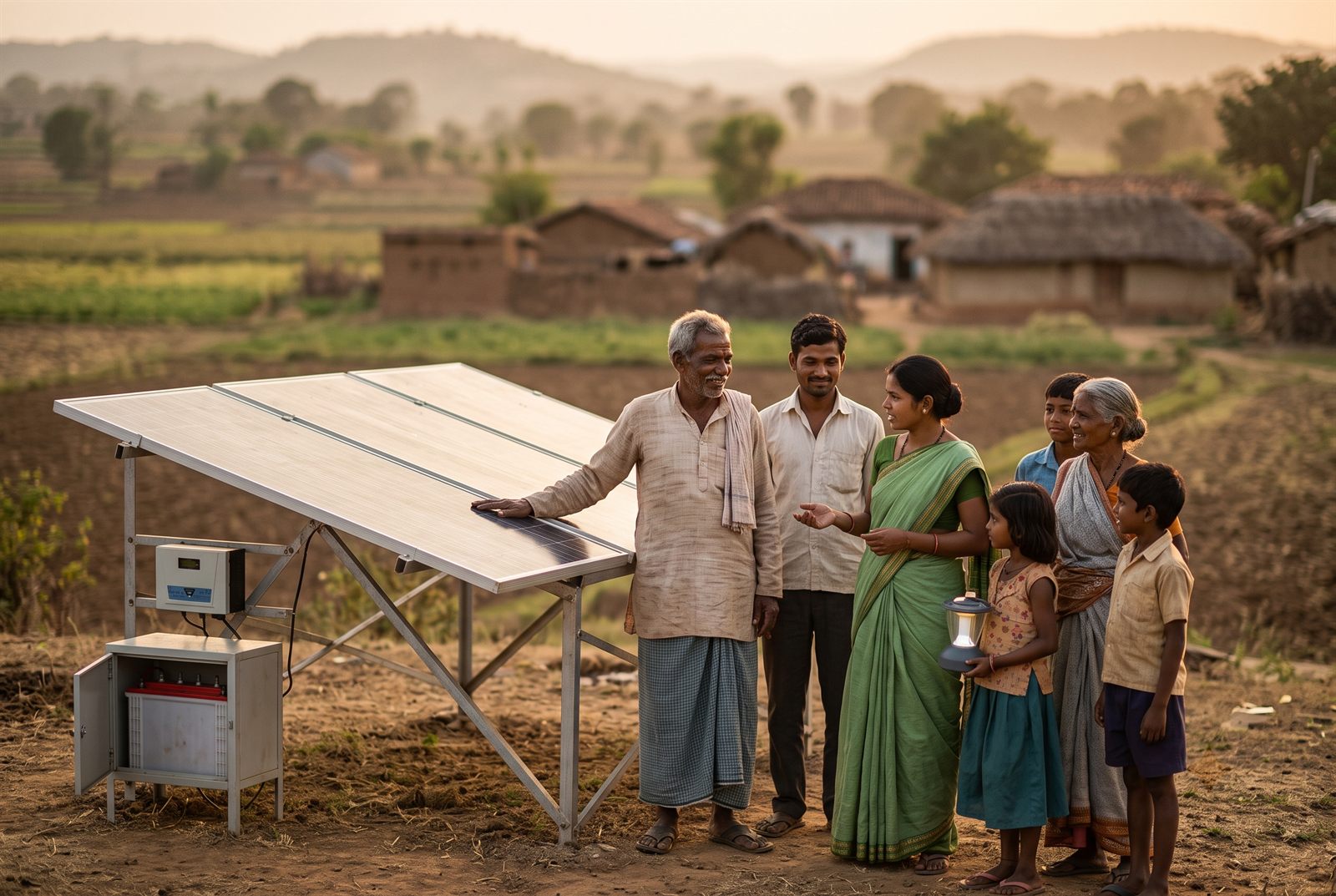
Principle 8 covers Social Impact Assessments, rehabilitation and resettlement, community grievances, local sourcing and employment, and CSR beneficiaries. A guide to answering it from CSR and procurement records, and to reporting outcomes rather than just rupees spent.
Read the full guide
Principle 9 covers consumer complaints, product recalls, cyber-security and data-privacy policy, data breaches, and product labelling. A guide to answering it from complaints and product records, and to getting the data-breach and DPDP-Act disclosures right.
Read the full guide
Top 1000, top 500, BRSR Core, value chain, the rules layered over three years and the deadlines are now live. Here's a single, clear guide to who must file what for FY 2025-26.
Read the full guide
Reasonable assurance for BRSR Core is now mandatory for India's top 500 listed companies. This guide explains what the 9 KPIs are, what an auditor actually checks, and how to build an assurance-ready data trail.
Read the full guide
BRSR Core is now mandatory for the top 500 listed companies. Here's what changed, what's voluntary, and what every consultant should brief their clients on before filing this year.
Read the full guide
The consultant's actual pain: ESG data lives with five different departments and no one answers emails. This guide covers who owns what, what to ask, and how to stop chasing people manually.
Read the full guide
The P6-E1 disclosure trips up most first-time filers. This guide covers the CEA grid factor, IPCC fuel factors, what 'absolute' emissions means, and the most common calculation mistakes.
Read the full guide
SEBI's March 2025 circular introduced 'assessment' as a lighter alternative to reasonable assurance under ISAE 3000. Most consultants don't yet know the difference, or which clients can choose which path.
Read the full guide
"BRSR Core" and "BRSR Essential" confuse almost everyone. Here's exactly what each term means, who it applies to, and what the reasonable assurance requirement actually asks of your client.
Read the full guide
IT companies can mark certain manufacturing-related disclosures as 'not applicable', but only the right ones, and only with a clear justification. Here's the field-by-field guide.
Read the full guide
After working through dozens of manufacturer filings, these five disclosures consistently generate the most confusion, data gaps, and revision rounds. Here's what to watch for.
Read the full guide
Textile companies face a double compliance burden in FY 2025-26: BRSR Core assurance and CCTS GHG reporting (BEE deadline: July 31, 2026). This guide covers both, and how they overlap.
Read the full guide
The EU's Carbon Border Adjustment Mechanism entered its definitive period in January 2026. Indian steel, cement and aluminium exporters now have real reporting obligations, here's what to do.
Read the full guide
SEBI's March 2025 circular deferred mandatory value chain ESG disclosure to FY 2026-27 and narrowed the scope to partners at 2%+ of purchases/sales. Here's exactly what's required and when.
Read the full guide
P6-E3 requires water withdrawal intensity, but SEBI specifies different denominators for manufacturers (production units) vs service companies (revenue or FTE). Here's the calculation methodology, cited.
Read the full guide
India's Carbon Credit Trading Scheme entered force for seven sectors in early 2026. First verified GHG emission intensity reports are due to BEE by July 31, 2026. Here's who's in scope and what the process looks like.
Read the full guide
Only 34% of BSE 100 companies publicly disclose their materiality methodology. This guide walks through a defensible materiality process, stakeholder mapping, impact scoring, and how to document it for BRSR.
Read the full guideYou're all caught up
That's the ESG and BRSR world for now. New items land through the day.